


Introduction
Choosing the Right Size and Fabric
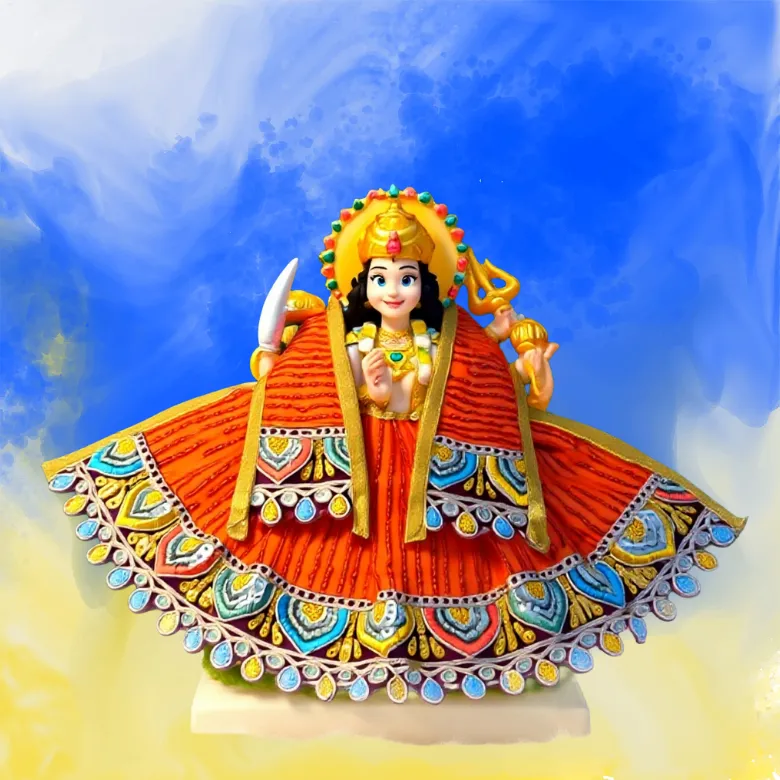
The first step is to know the correct size of your Laddu Gopal ji. In the market, idols usually come in numbered sizes (like size 1, 2, 3, etc.), and each size needs a properly fitted dress. If the dress is too small, it will be difficult to tie or close; if it is too large, the fall will not look graceful and the idol may look covered awkwardly.
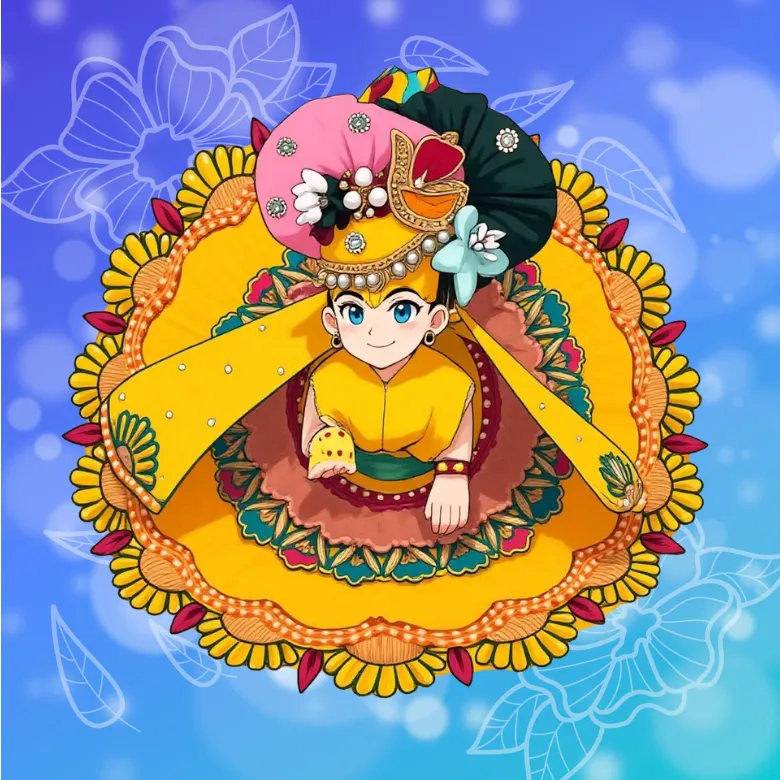
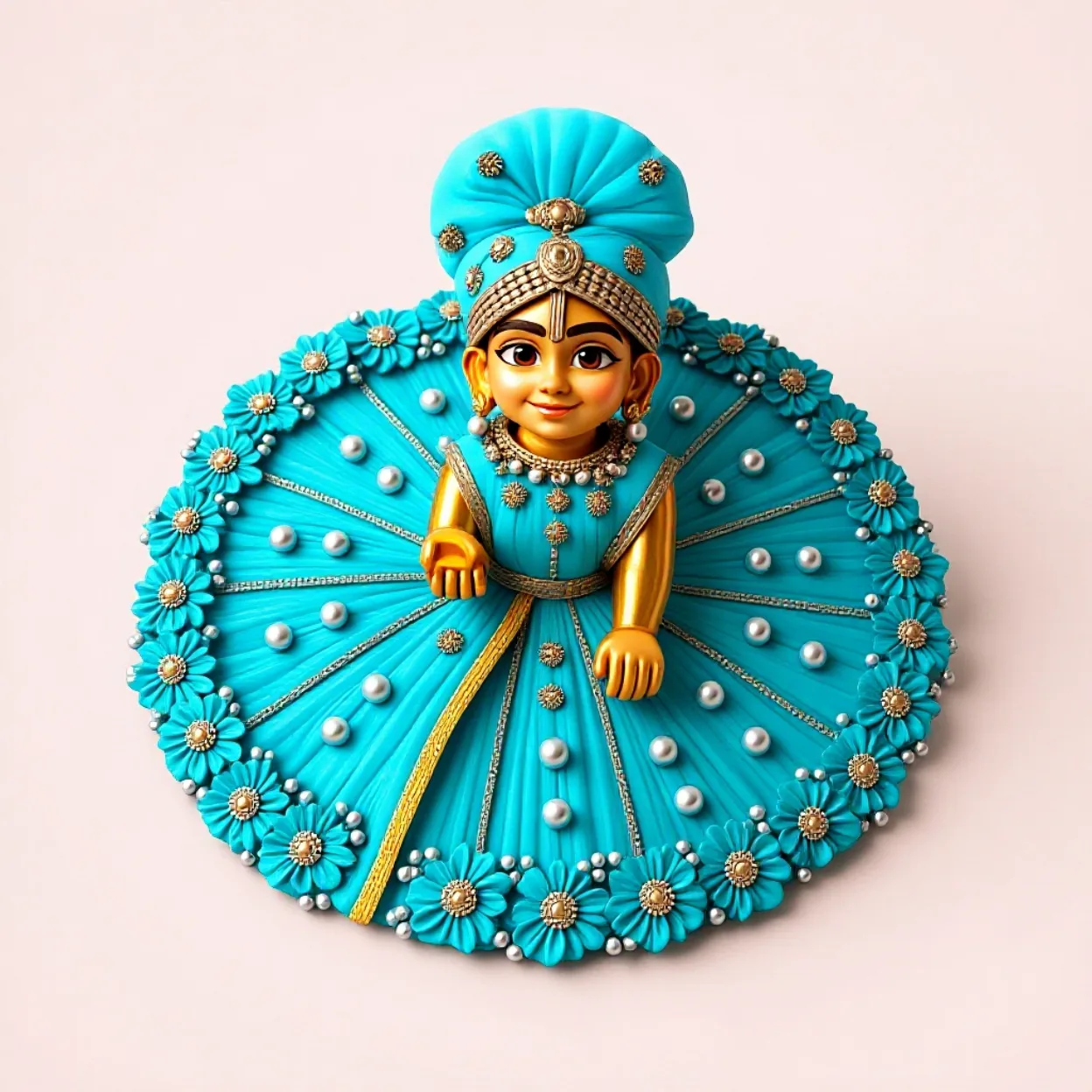
For daily use, light and comfortable fabrics like cotton, mulmul, simple georgette, or soft net are ideal. These are easy to handle and wash, and they dry quickly. For festivals and special occasions, you can choose silk, velvet, brocade, zari work, and heavier embroidered outfits that look rich and royal.
Dressing According to Season and Day
Just like people change their clothes according to the weather, Laddu Gopal ji’s shringar should also be season-friendly. In summer, light-coloured, airy fabrics like cotton and thin blends help keep Him looking fresh and cool. In winter, velvet poshaks, woollen shawls, caps, and blankets create a cosy and protected look.
Many devotees also follow colour choices according to the days of the week – for example, white on Monday, red on Tuesday, yellow on Thursday, and so on. This brings a beautiful discipline and rhythm into daily seva and makes every day feel a little special.
Completing the Look with Accessories
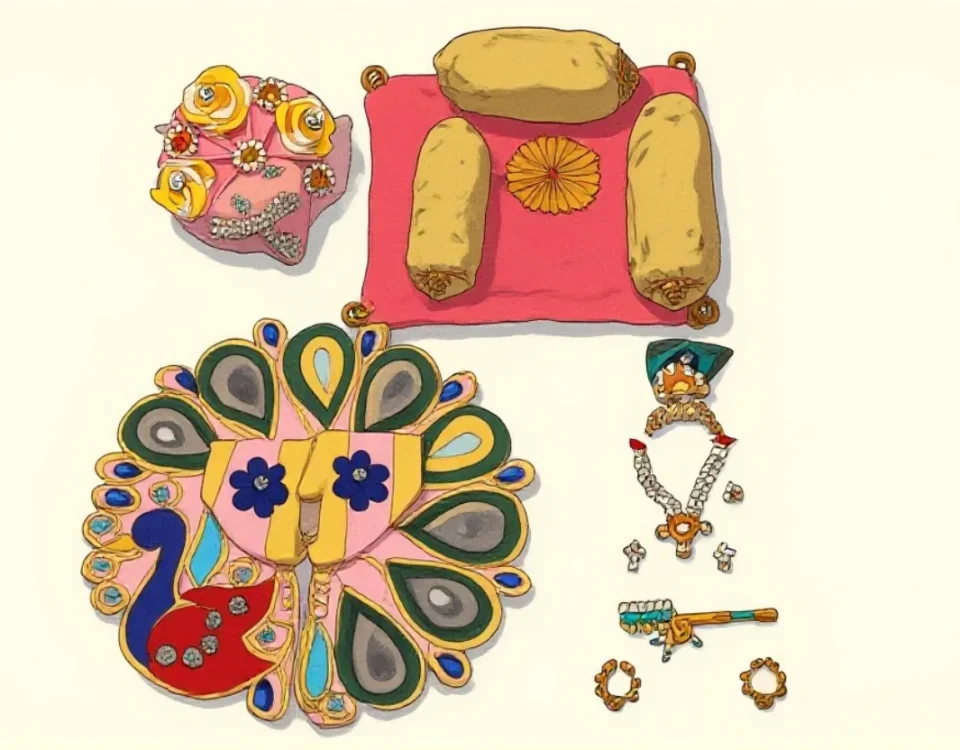
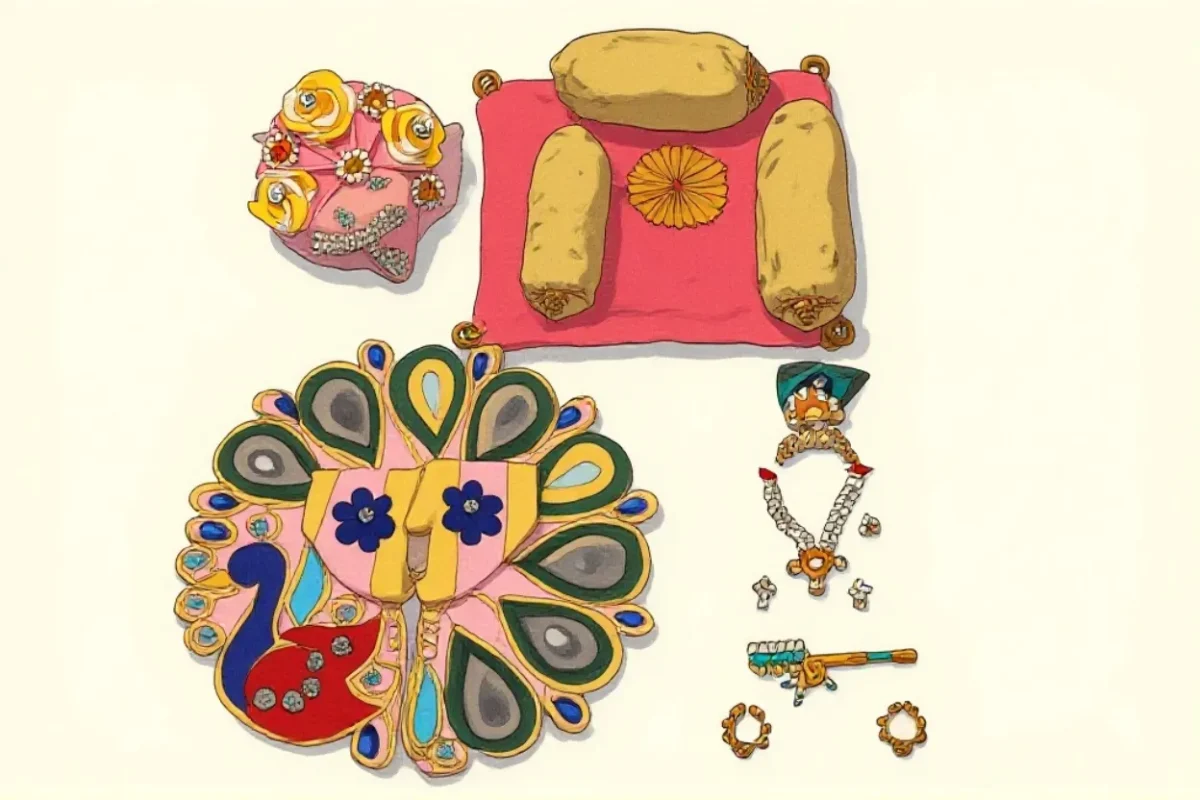
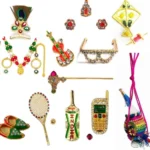
Accessories bring the entire look together. Small crowns and mor-mukuts (crowns with peacock feathers), flutes, malas, waistbelts, armlets, anklets, and simple jewellery sets add grace to the poshak. A beautiful asan, a small singhasan (throne), bed, jhoola (swing), and backdrop cloth behind the idol transform a simple space into a divine altar. Always ensure that accessories match the idol’s size, are not too heavy, and do not have sharp edges. This makes daily dressing and undressing easy and safe, and keeps Laddu Gopal ji’s shringar both practical and beautiful.
Daily Shringar vs Festival Shringar
For daily shringar, it is best to keep the look simple, light, and easy to change. Comfortable frock-style dresses or basic dhoti–kurta sets work very well, as they can be washed regularly and changed without too much effort.
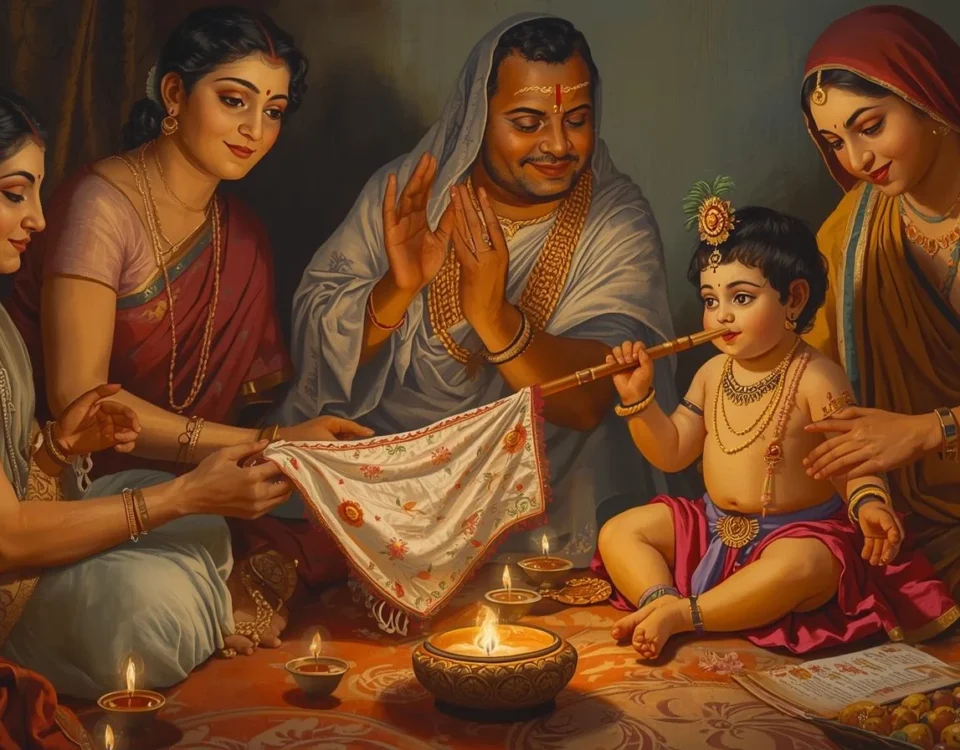
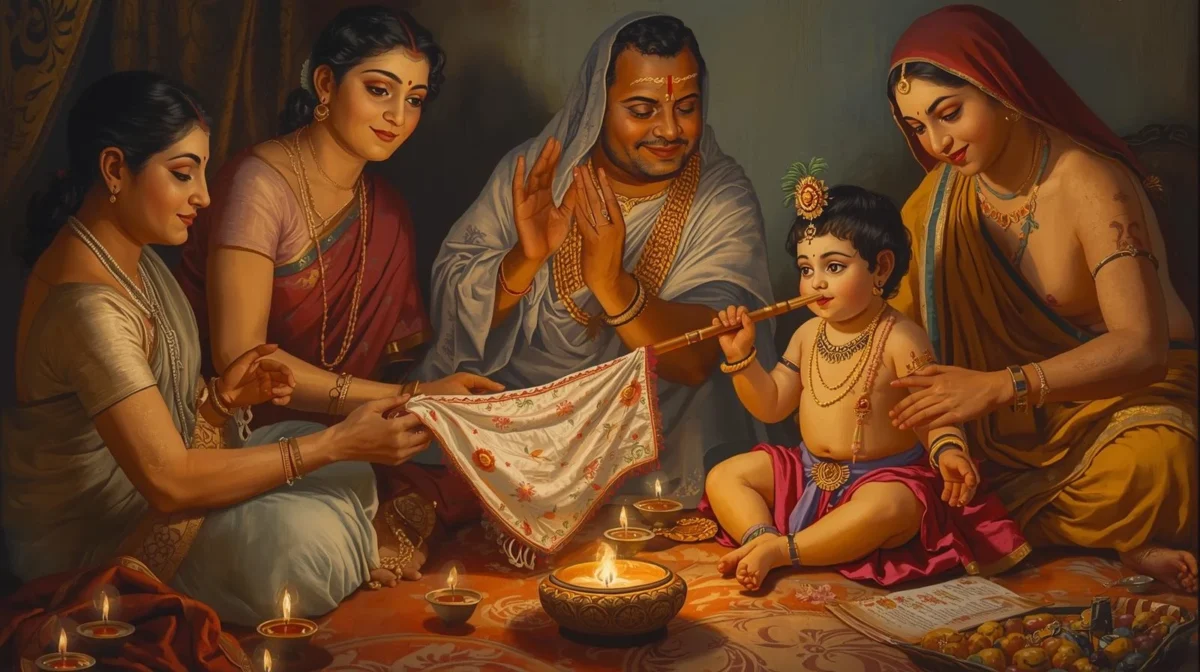
For festivals and important tithis like Janmashtami, Radhashtami, Govardhan Puja, Sharad Purnima, or Kartik month, you can create more elaborate looks with heavy zari work, contrast colours, rich fabrics, and full shringar sets. Add crowns, flutes, waistbelts, jewellery, swings, and decorative backdrops to make your home temple look like a small Vrindavan. When the whole family participates in the shringar, especially children, devotion and joy naturally grow in the household.